
2026 Professional Analysis: Monel 400 (UNS N04400) vs Monel K-500 (UNS N05500) Technical Comparison
Introduction: The Dominance of Nickel-Copper Alloys in Harsh Environments
In the world of high-performance metallurgy, few materials command as much respect as the Monel series. Developed as a solution for environments where standard stainless steels and even some superalloys falter, these nickel-copper alloys have become the backbone of marine engineering, chemical processing, and aerospace technology. Among the various grades, Monel 400 (UNS N04400) and Monel K-500 (UNS N05500) stand out as the two most critical variants. While they share a common lineage, their mechanical properties and hardening mechanisms differ significantly, dictating their specific roles in modern industry.
This comprehensive technical guide explores the intricate details of both alloys, providing engineers and procurement specialists with the data-driven insights needed for 2026-level precision in material selection. We will analyze their chemical compositions, mechanical characteristics, corrosion resistance profiles, and the specific use-cases that define their value proposition.
Monel 400 (UNS N04400): The Workhorse of Corrosion Resistance
Monel 400 is a solid-solution alloy that can only be hardened by cold working. It consists of roughly 63% nickel and 30% copper, with controlled additions of iron and manganese. Its primary claim to fame is its exceptional resistance to a wide range of corrosive environments, particularly flowing seawater, hydrofluoric acid, sulfuric acid, and alkalies.
Key Characteristics of Monel 400:
- Exceptional Marine Resistance: It remains virtually immune to chloride-induced stress corrosion cracking and displays extremely low corrosion rates in rapidly moving seawater.
- High Ductility and Toughness: Even at cryogenic temperatures, Monel 400 maintains its toughness, making it suitable for specialized low-temperature applications.
- Versatile Fabrication: It is easily weldable and can be formed into various shapes, including tubes, plates, bars, and wire.
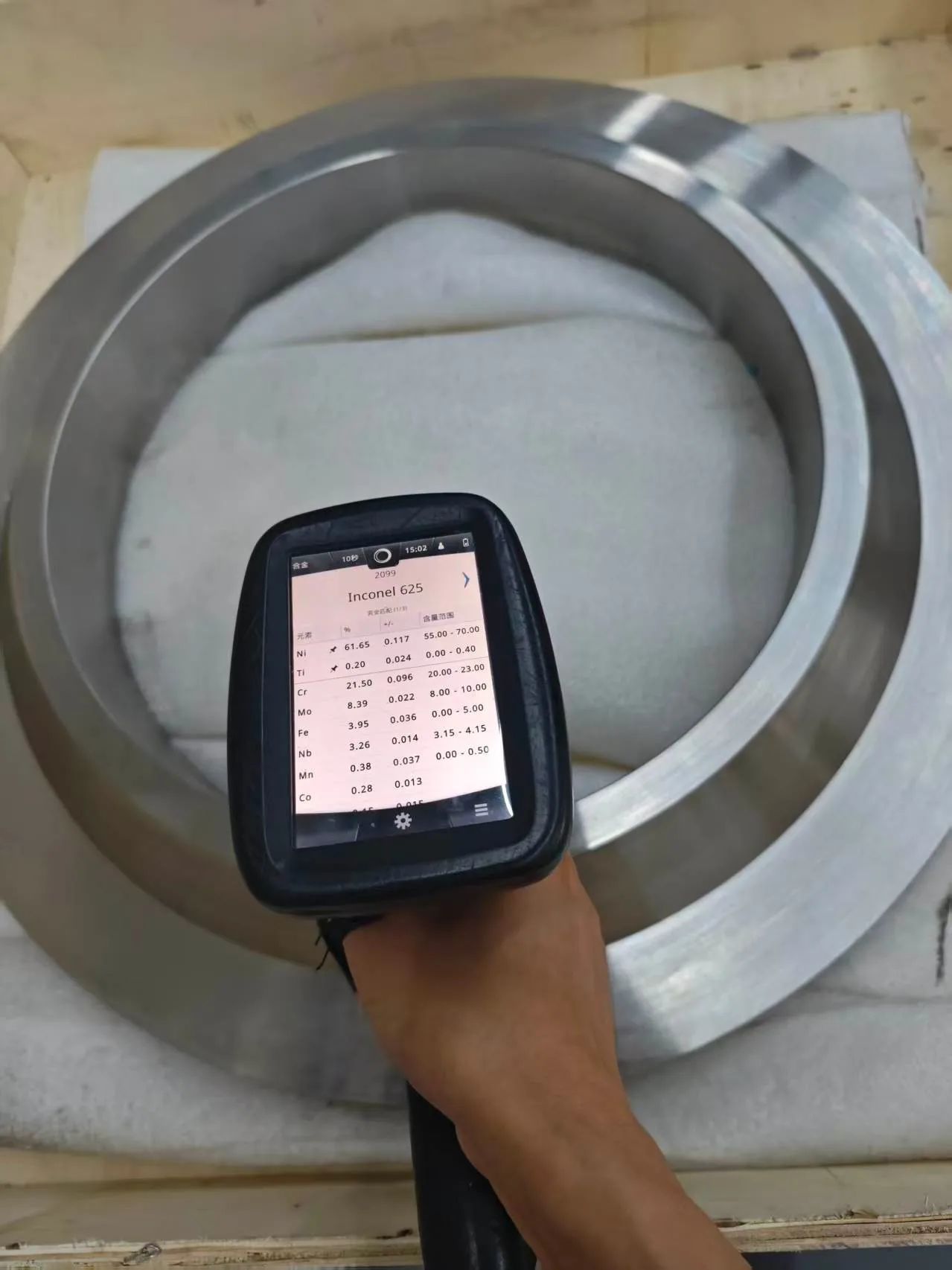
Monel K-500 (UNS N05500): Strength Through Precipitation Hardening
While Monel 400 offers excellent corrosion resistance, it sometimes lacks the mechanical strength required for heavy-duty load-bearing components. This is where Monel K-500 enters the picture. By adding small amounts of aluminum and titanium to the nickel-copper base, metallurgists created a material that can be precipitation-hardened (age-hardened). This process results in an alloy that retains the corrosion resistance of Monel 400 but boasts roughly three times the yield strength and double the tensile strength.
Key Characteristics of Monel K-500:
- Precipitation Hardening: The formation of submicroscopic particles of Ni3(Al, Ti) throughout the matrix during aging provides the dramatic strength increase.
- Non-Magnetic Properties: Unlike many high-strength alloys, K-500 remains non-magnetic down to very low temperatures, which is critical for electronic equipment and sensitive subsea sensors.
- Spark Resistance: It is spark-resistant, making it a safe choice for handling explosive or volatile substances.
Chemical Composition Comparison
The technical distinction between these two alloys begins at the molecular level. Below is a comparison of their typical chemical requirements:
- Nickel (plus Cobalt): Both alloys require a minimum of 63.0%.
- Copper: Range of 28.0% to 34.0%.
- Aluminum: 400 has none; K-500 contains 2.30% to 3.15%.
- Titanium: 400 has none; K-500 contains 0.35% to 0.85%.
- Iron: Maximum 2.5% for both.
The addition of Aluminum and Titanium in K-500 is the fundamental difference that enables the age-hardening process, distinguishing it from the solid-solution-only nature of Monel 400.
Mechanical Properties and Hardness Analysis
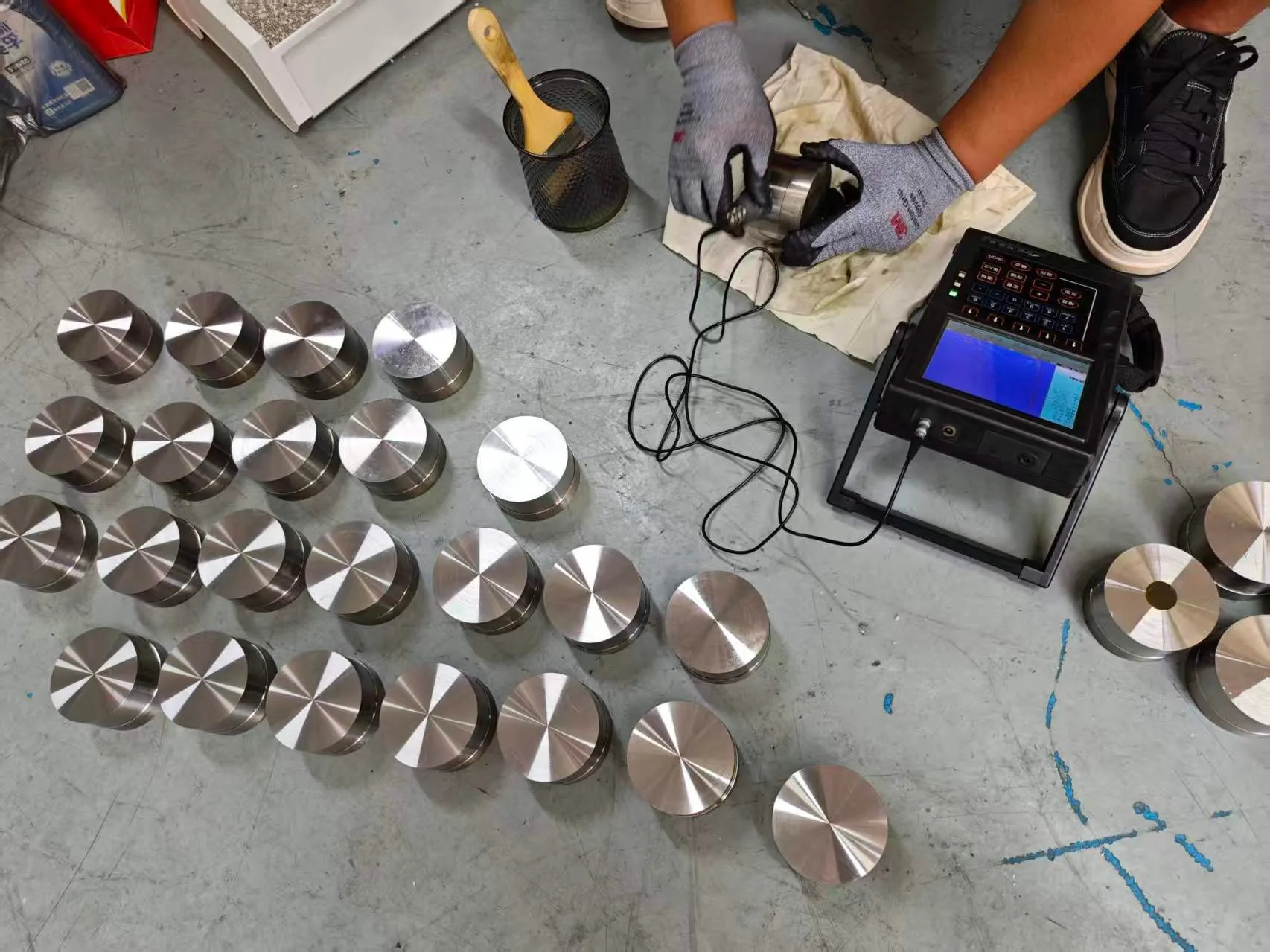
When selecting between these grades, mechanical performance is often the deciding factor. Monel 400 typically exhibits a tensile strength of around 550 MPa (80 ksi) in the annealed state. In contrast, Monel K-500, after age hardening, can achieve tensile strengths exceeding 1100 MPa (160 ksi). Hardness values also differ significantly, with K-500 often reaching 28-35 HRC, whereas Monel 400 remains much softer, typically in the 60-95 HRB range.
Corrosion Resistance in Marine and Chemical Environments
Both alloys offer superior resistance to seawater. However, Monel K-500 can be slightly more susceptible to stress-corrosion cracking in certain specific conditions if not properly age-hardened or if subjected to excessive cold work after aging. In general, for static applications where high strength is not needed, Monel 400 is preferred due to its simpler metallurgical structure and slightly better general corrosion performance in acidic media.
Fabrication, Machining, and Welding Considerations
Monel 400 is relatively easy to machine and weld using standard techniques like GTAW (TIG) and GMAW (MIG). Monel K-500, however, presents more challenges. Because it hardens during machining, rigid setups and sharp tools are essential. Welding K-500 requires precise post-weld heat treatment (PWHT) if the full mechanical properties of the age-hardened state are to be maintained across the weld zone.
Typical Applications Across Industries
- Marine Engineering: Monel 400 is used for heat exchangers, valves, and piping. K-500 is the standard for propeller shafts, pump shafts, and marine fasteners where high torque and strength are required.
- Oil and Gas: K-500 is widely used in "sour gas" environments for drill collars, instruments, and valve internals.
- Chemical Processing: Monel 400 is favored for tanks and vessels handling hydrofluoric acid and fluorine gas.
Selection Guide: Choosing the Right Grade
- Choose Monel 400 if: You need maximum ductility, ease of fabrication, and the best possible resistance to acids and seawater without the requirement for extreme mechanical strength.
- Choose Monel K-500 if: You require the corrosion resistance of a nickel-copper alloy but need high yield strength, hardness, and non-magnetic properties for rotating or highly stressed components.
Conclusion
Both Monel 400 and Monel K-500 are indispensable materials in the 2026 industrial landscape. By understanding the precipitation-hardening mechanism of K-500 versus the solid-solution stability of 400, engineers can optimize their designs for both safety and cost-effectiveness. Whether it is a deep-sea oil rig or a chemical refinery, the Monel family continues to define the limits of what is possible in extreme environments.
For high-quality Monel series alloys, Shanghai Hangbo Alloy Group provides comprehensive supply chain solutions, ensuring that every batch meets the highest international standards for chemical purity and mechanical integrity.
本站部分文字及图片来源于网络,版权归原创者所有,如有侵权请及时通知我们。