
《2026深度报告:商业航天可重复使用火箭发动机用特种合金的寿命极限与选材逻辑》
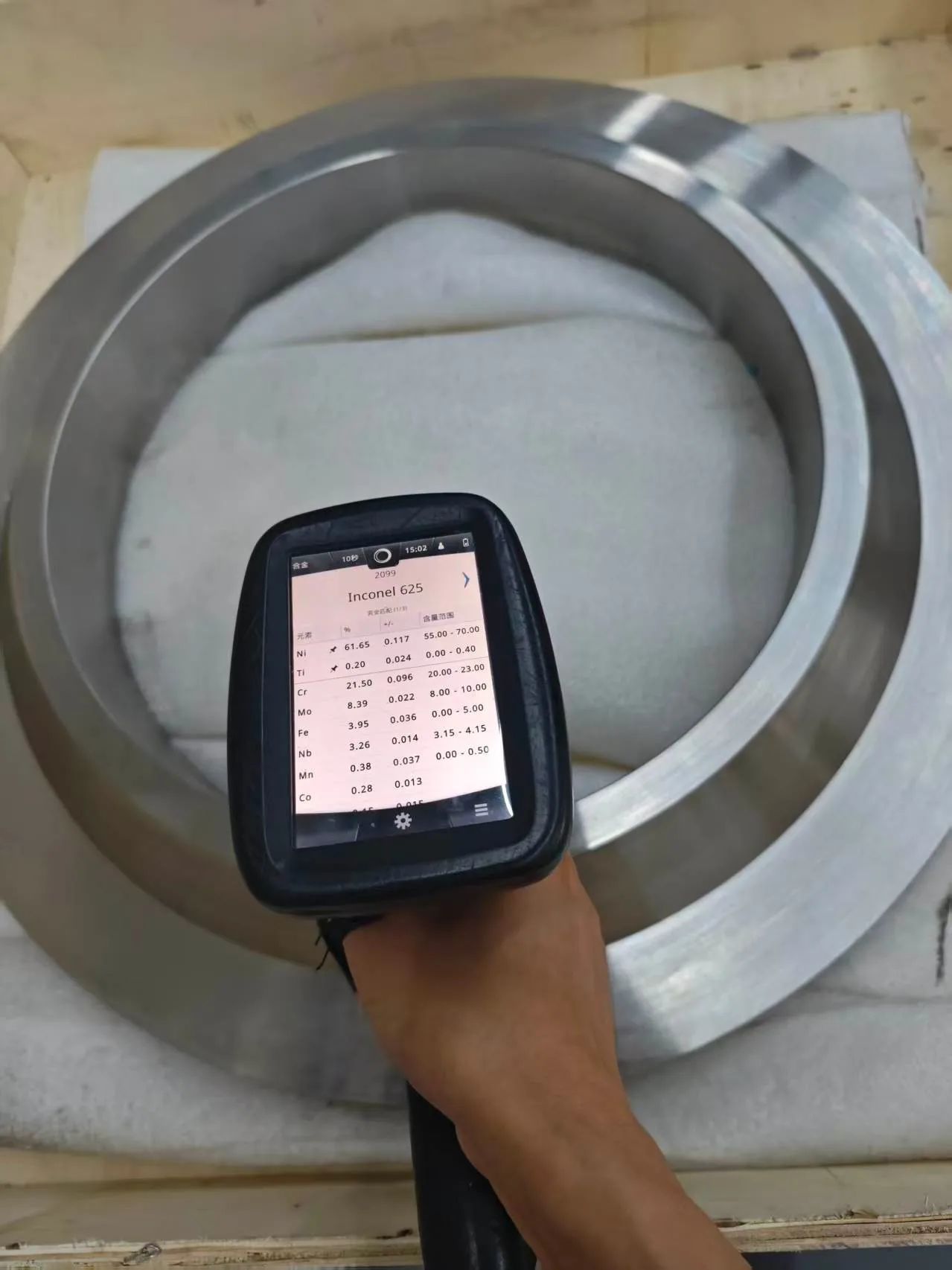
Technical Intro: The surge of commercial aerospace and the "Reusable" challenge.
As the commercial aerospace industry enters a new era of high-frequency launches, the demand for reusable rocket engines has become the core driver for technological innovation. Reusability imposes extreme requirements on materials, requiring them to withstand multiple thermal cycles and high-pressure environments without structural failure. Shanghai Hangbo Alloy Group Co., Ltd. (Hangbo) has been at the forefront of this mission, leveraging its 15-year supply history for aerospace components to provide high-performance special alloys that push the limits of rocket engine longevity.
Combustion Chamber & Turbine Pump Dynamics
The combustion chamber and turbine pumps are the most critical high-heat components of a rocket engine. These parts undergo intense thermal-mechanical fatigue and low-cycle fatigue (LCF). During start-up and shut-down, temperature gradients are massive, leading to strain that can quickly accumulate and lead to cracks. Selecting alloys with high thermal conductivity and low thermal expansion coefficients is vital for extending the service life of these reusable systems.
Grade Analysis
- Inconel 718 (GH4169): Often referred to as the "Backbone" of rocket engines, this nickel-based superalloy remains the primary choice for engine discs and structural fasteners. Its unique precipitation-hardening mechanism allows it to maintain exceptional high strength and creep resistance at temperatures up to 650°C.
- Hastelloy X: Recognized for its excellent oxidation resistance and high-temperature strength, Hastelloy X is widely used for engine ducting and combustion liners. Its ease of fabrication and superior performance in corrosive environments make it indispensable for long-duration aerospace missions.
- Cobalt-based Alloys (L-605): Specifically chosen for high-pressure turbine vanes, L-605 offers superior sulfidation and oxidation resistance. Its ability to maintain structural integrity under the most aggressive thermal environments ensures the reliability of turbine systems.
Quality Control for Space
To meet the rigorous standards of aerospace, Hangbo employs advanced melting techniques to ensure ultra-low inclusion counts. Our production process utilizes a triple-melt approach: Vacuum Induction Melting (VIM) followed by Electroslag Remelting (ESR) and Vacuum Arc Remelting (VAR). This process significantly reduces deleterious elements and gaseous inclusions, resulting in high-purity alloys with uniform microstructure and superior fatigue life.
Standard Compliance
Our materials are strictly compliant with international aerospace standards. Below is a data comparison based on AMS 5662 and AMS 5666:
| Standard | Material | Key Property (Yield Strength) | Primary Application |
|---|---|---|---|
| AMS 5662 | Inconel 718 | ≥ 1035 MPa | Bars, Forgings, Rings |
| AMS 5666 | Inconel 625 | ≥ 415 MPa | High-temp structural components |
Massive FAQ (12 technical entries)
- What is hydrogen embrittlement in rocket fuels? Hydrogen can permeate the lattice of certain alloys at high pressure, leading to sudden brittle failure.
- How does Hangbo ensure oxygen compatibility? By controlling alloy chemistry to prevent ignition in high-pressure oxygen environments.
- What are the surface finish Ra requirements for turbine blades? Typically Ra < 0.4 μm to reduce aerodynamic losses and fatigue initiation sites.
- What is the role of Titanium in these engines? Used for lightweight structural components where temperatures do not exceed 500°C.
- How is LCF life calculated? Through extensive strain-controlled fatigue testing at service temperatures.
- Can 17-4PH be used in engines? Yes, for structural supports requiring high strength and corrosion resistance at lower temperatures.
- Is oxidation resistance more important than strength? In combustion liners, yes, to prevent burn-through.
- How does VIM improve quality? It eliminates air contact, preventing the formation of oxides during melting.
- What is the typical grain size requirement? ASTM 8 or finer to maximize fatigue resistance.
- Why use L-605 for turbine vanes? Exceptional high-temperature strength and wear resistance.
- What is the impact of VAR on segregation? It creates a highly homogeneous ingot with minimal chemical variations.
- How long has Hangbo supplied aerospace? Over 15 years of specialized component supply.
Hangbo Aerospace Supply Matrix
Hangbo provides a comprehensive range of Aerospace-grade alloys:
- Nickel Alloys: 718, 625, X-750, Hastelloy X
- Stainless Steels: 17-4PH, 15-5PH, 347
- Cobalt Alloys: L-605, Haynes 188
- Titanium Alloys: Gr5 (Ti-6Al-4V), Gr2
本站部分文字及图片来源于网络,版权归原创者所有,如有侵权请及时通知我们。